Indoor Field Turf Installation Timing
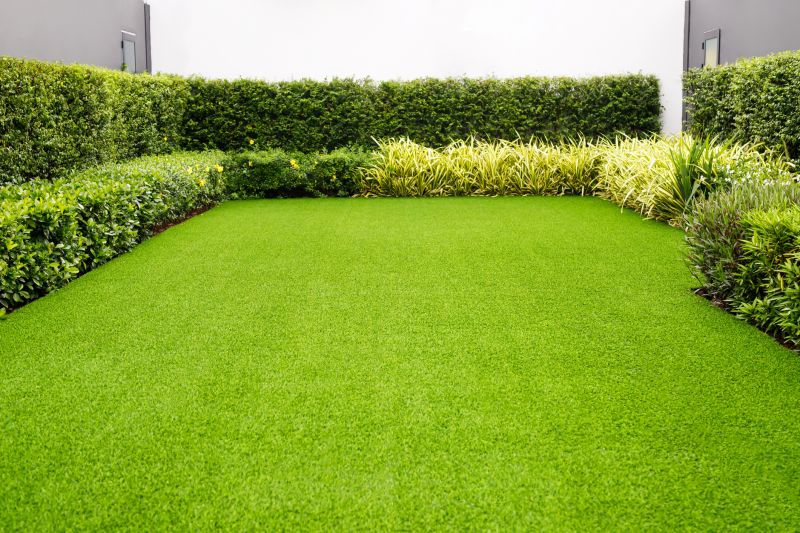
Ways to make Indoor Field Turf Installations work in tight or awkward layouts.
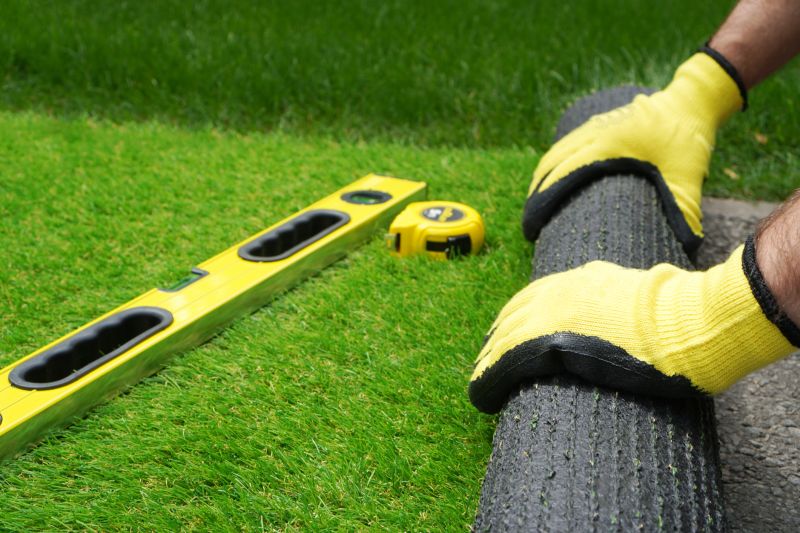
Popular materials for Indoor Field Turf Installations and why they hold up over time.
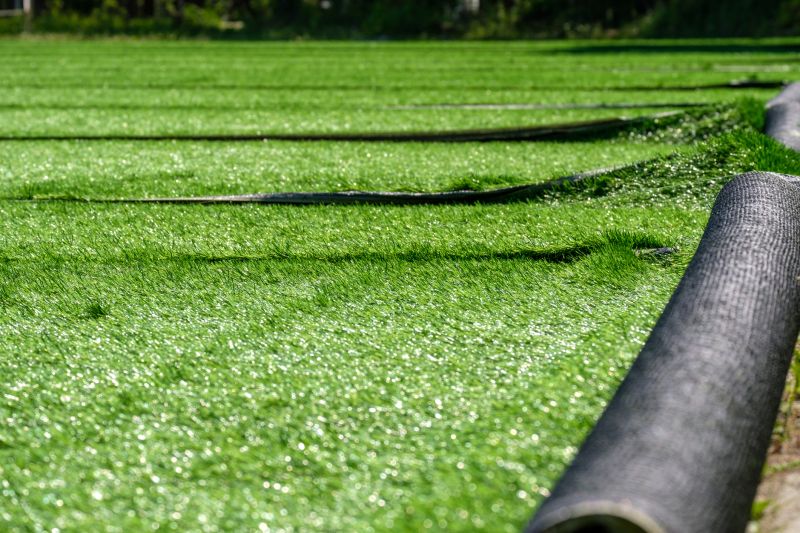
Simple add-ons that improve Indoor Field Turf Installations without blowing the budget.
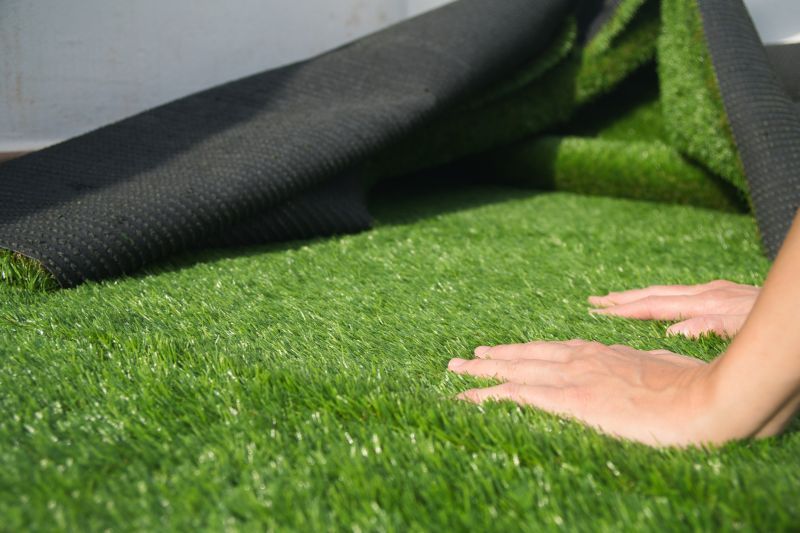
High-end options that actually feel worth it for Indoor Field Turf Installations.
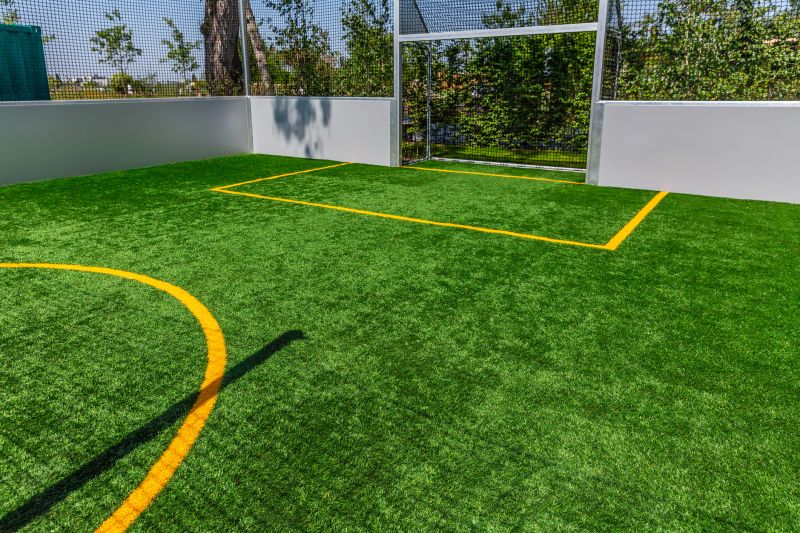
Finishes and colors that play nicely with Indoor Field Turf Installations.
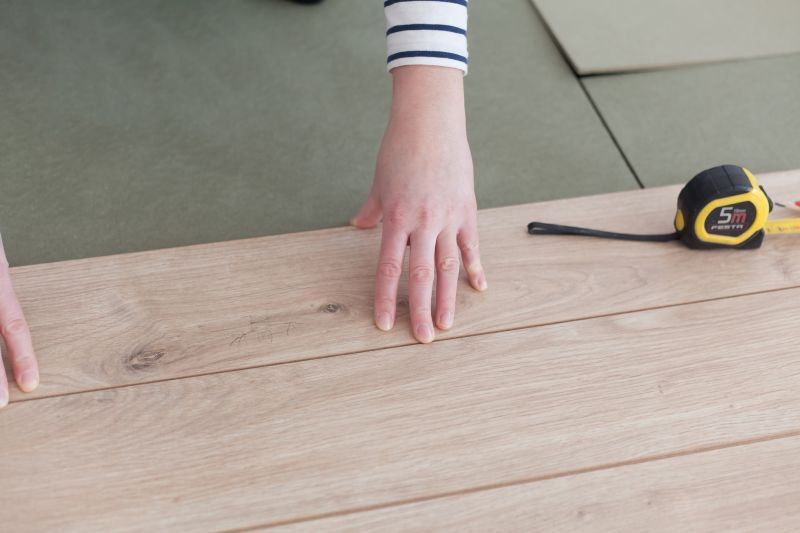
Little measurements that prevent headaches on Indoor Field Turf Installations day.
The best time for indoor field turf installations typically aligns with periods of lower facility usage, such as late summer or early fall, to minimize disruption. These seasons also often feature more stable weather conditions, reducing delays caused by external factors.
Indoor turf installations are less affected by weather, but planning during dry, mild weather can facilitate easier transportation and setup of equipment. Avoiding peak winter months can prevent potential delays caused by cold or snow.
Scheduling during off-peak times allows for more flexible installation windows and ensures that the project can be completed without rushing, leading to better quality results.
Indoor turf installation projects generally take several days to complete. Choosing a time with fewer competing projects can help ensure timely completion.
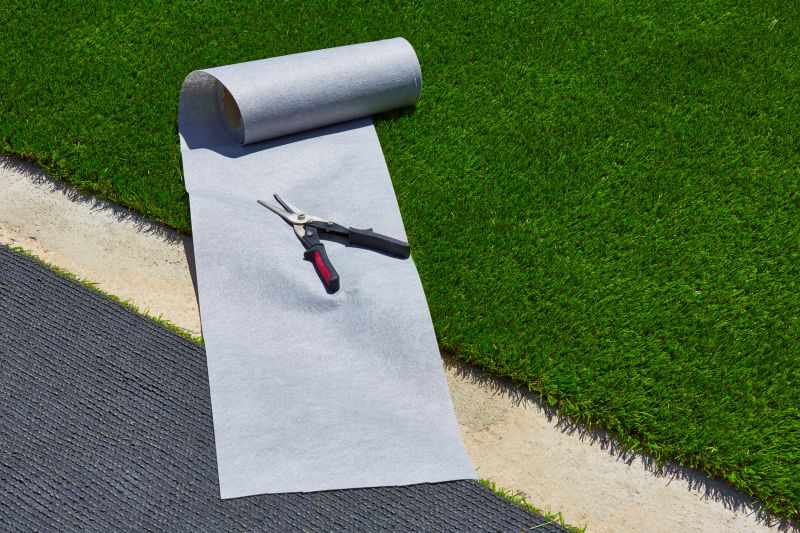
A 60-second routine that keeps Indoor Field Turf Installations looking new.
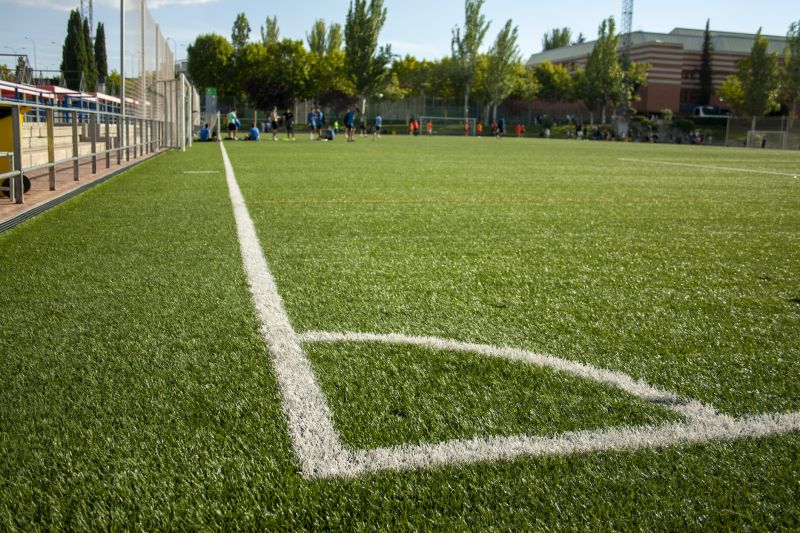
A frequent mistake in Indoor Field Turf Installations and how to dodge it.
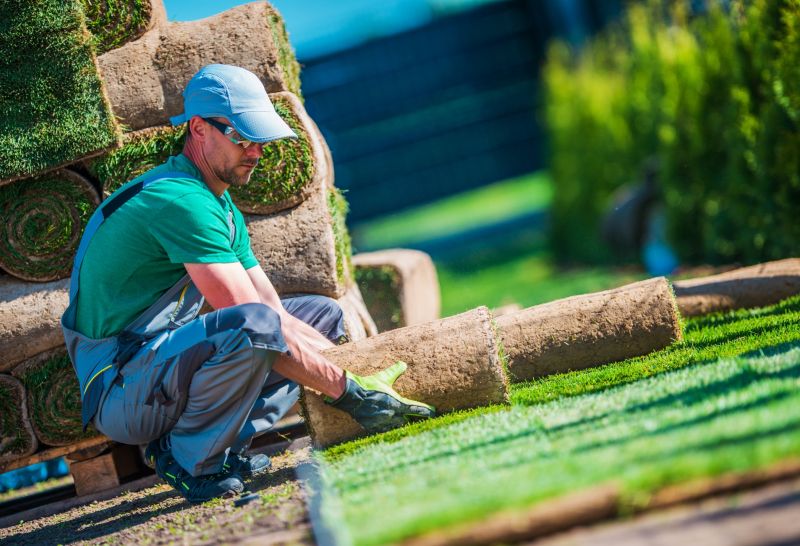
Small tweaks to make Indoor Field Turf Installations safer and easier to use.

Lower-waste or water-saving choices for Indoor Field Turf Installations.
| Season | Advantages |
|---|---|
| Late Summer | Less facility downtime, favorable weather conditions |
| Early Fall | Optimal scheduling, reduced external weather impact |
| Late Winter | Availability of installation teams, off-season discounts |
| Spring | Preparation for upcoming sports seasons, flexible scheduling |
| Summer | Longer days for installation, minimal disruption during school breaks |
Indoor field turf installations require careful planning to ensure optimal results. The timing of installation can influence project efficiency, cost, and the quality of the finished surface. Selecting the appropriate season involves considering factors such as weather conditions, facility availability, and operational schedules. Proper timing helps minimize disruptions to ongoing activities and ensures that the turf is installed under optimal conditions for durability and performance.
Statistics indicate that scheduling indoor turf installations during off-peak seasons can reduce project delays by up to 25%. Additionally, planning during periods of mild weather can facilitate smoother transportation and setup, leading to a more efficient installation process. Proper planning and timing contribute to the longevity and performance of the indoor turf surface, supporting athletic activities and training needs effectively.
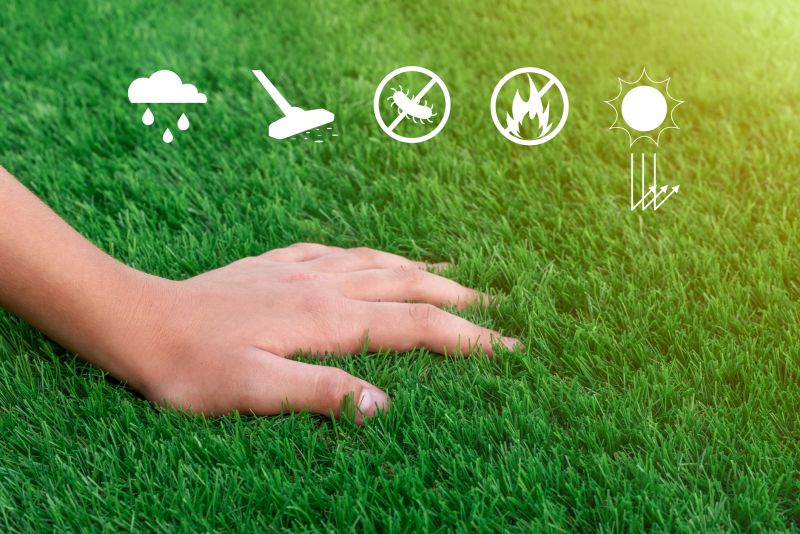
The short, realistic tool list for quality Indoor Field Turf Installations.
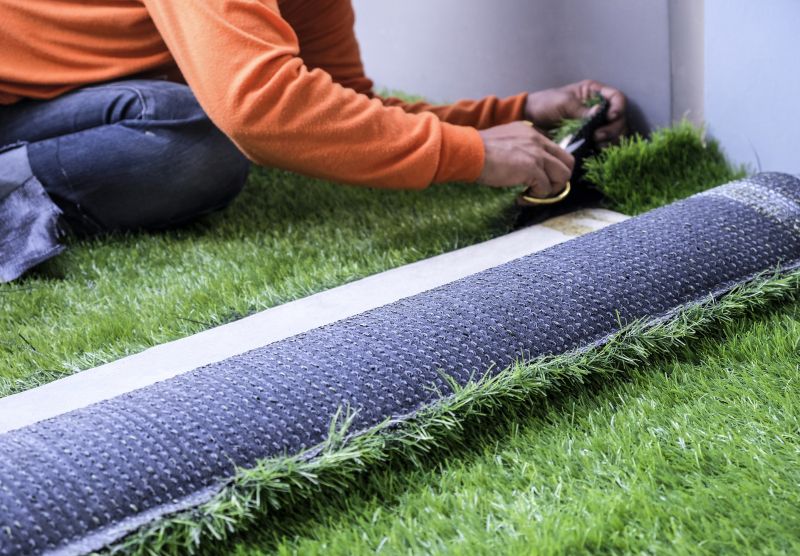
Rough timing from prep to clean-up for Indoor Field Turf Installations.
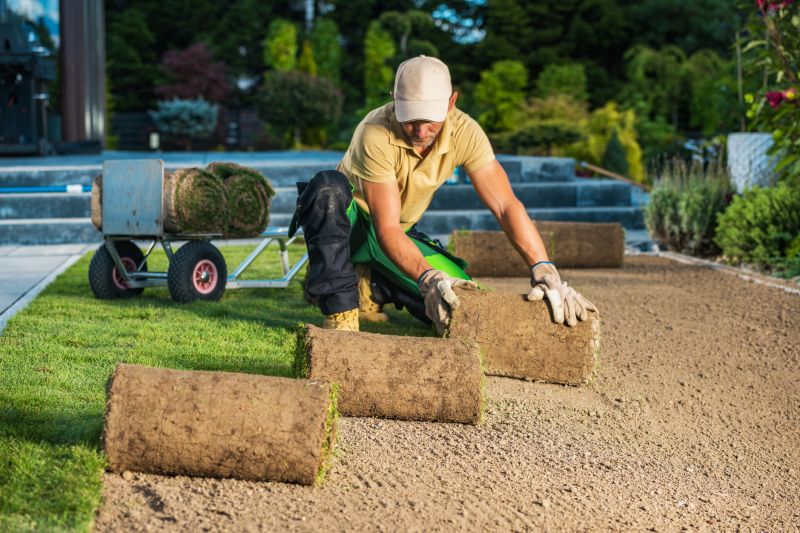
Quick checks and paperwork to keep after Indoor Field Turf Installations.
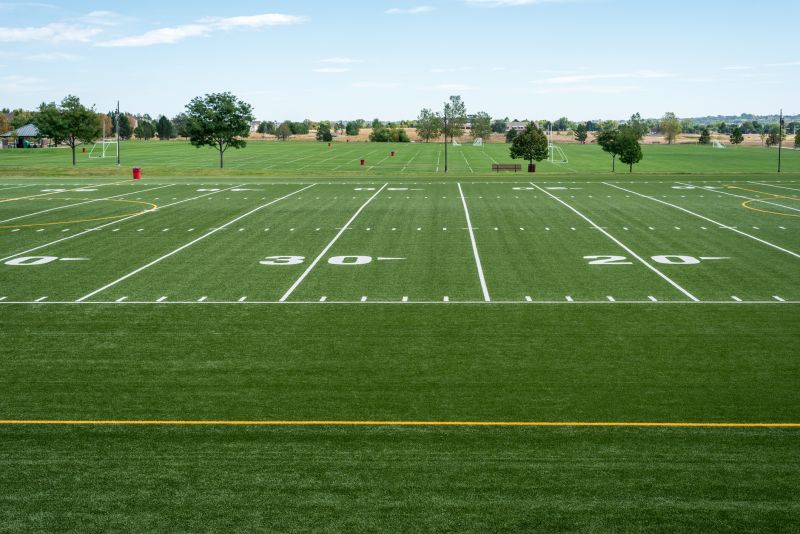
Examples that show the impact a good Indoor Field Turf Installations can make.
Interested in scheduling an indoor turf installation? Filling out the contact form provides an opportunity to discuss timing options and project details to meet specific requirements. Proper planning ensures a seamless installation process tailored to the facility's operational schedule and goals.